
All publicity is good publicity…right?
There are two common denominators that every viral video contains – it evokes a strong emotional response from its viewers and in turn, influences its viewers to share with their social group. There are positive emotions that can come from a viral video such as happiness, laughter, astonishment, nostalgia, and sometimes even a few happy tears. On the latter note, negative emotions can be evoked from viral videos as well: anger, disgust, disappointment, etc. When a brand is tied to an influential viral video that elicits a negative psychological response it can change consumer perception of that brand.
Viral Gone Wrong
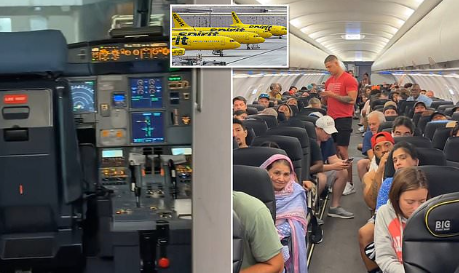
Source: Daily Mail
With the ability to produce content at the tips of our fingers, consumers now more than ever are posting organic content communicating their authentic experience with a product or brand. This happens within all industries, but a notable example of a viral video creating shockwaves through the nation is Lindsey Mascera’s recent 7-hour incident with a Spirit Airlines flight. https://www.tiktok.com/t/ZPRctDVKr/.
Over 15.5 million people saw this viral video, 1.5 million consumers liked it, 83,000 people saved the video and over 20,000 people commented. These statistics don’t include the sites that reposted it for their consumers to digest, including multi-million-dollar companies Barstool Sports and Daily Mail. Now anyone who has seen this video can easily associate the brand with these customers’ negative experiences and refrain from booking with this organization to avoid the shock, disappointment, and dissatisfaction this group experienced. So, when it comes to going viral, brands must be careful what they wish for because sometimes the viral attention they’ll receive is not what they’ll want to be remembered for.